
Complete Guide to Setting Up a Cloud Kitchen in 2025
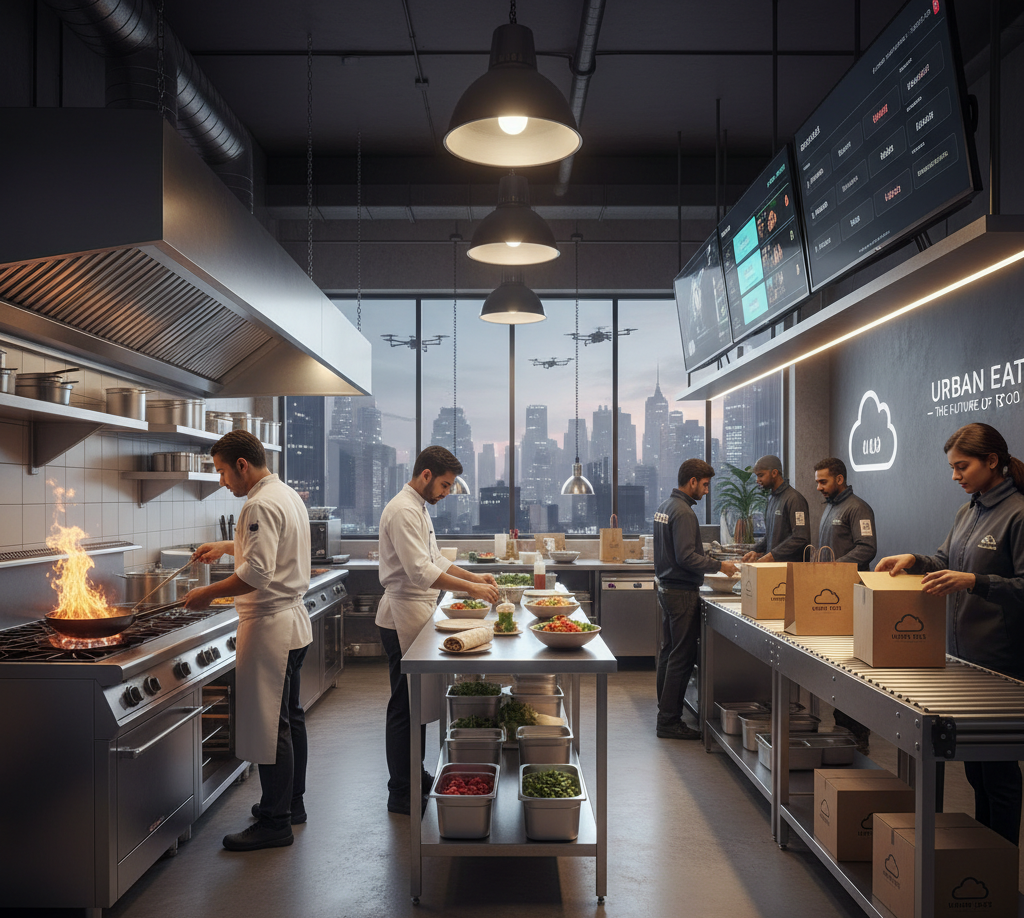
The food industry is evolving faster than ever, and cloud kitchens—also known as ghost kitchens or virtual restaurants—have emerged as the future of food delivery. In 2025, as online ordering continues to dominate the market, setting up a cloud kitchen is one of the smartest investments for entrepreneurs, restaurateurs, and even home chefs looking to expand digitally.
This complete guide walks you through everything you need to know about launching a successful cloud kitchen in 2025—from choosing the right location to picking the perfect equipment and marketing strategy.
What Is a Cloud Kitchen?
A cloud kitchen is a delivery-only restaurant that operates without a dine-in space. Orders are received through online platforms such as Swiggy, Zomato, or Uber Eats, or via your own website or app. The concept eliminates the need for front-of-house operations, focusing solely on preparing and delivering food efficiently.
Key Benefits:
- Lower setup and operational costs
- High scalability and flexibility
- Easier to experiment with multiple brands or cuisines
- Increased focus on delivery efficiency and food quality
Steps to Set Up a Cloud Kitchen in 2025
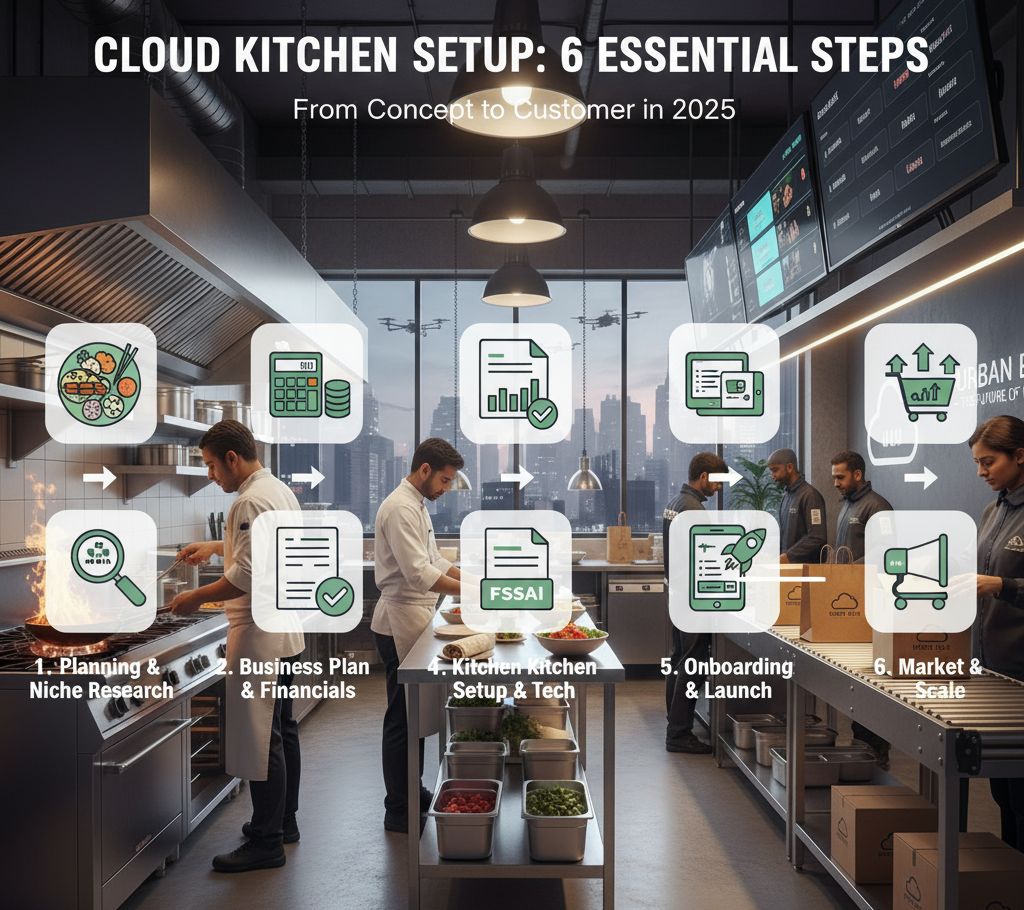
Step 1: Research and Plan Your Concept
Define your cuisine, target audience, and delivery areas. Analyze what’s trending in your city—healthy bowls, biryani, pizza, or vegan menus—and identify a unique gap in the market.
Step 2: Choose the Right Location
You don’t need a prime spot. Instead, look for a central location with easy access to major delivery zones. Industrial areas, shared kitchens, or basement units often work well as long as they comply with local food safety regulations.
Step 3: Get the Required Licenses
You’ll need several permits to legally operate your kitchen:
- FSSAI License (Food Safety and Standards Authority of India)
- GST Registration
- Fire Safety Certificate
- Shop and Establishment License
- Health/Trade License
Step 4: Invest in the Right Equipment
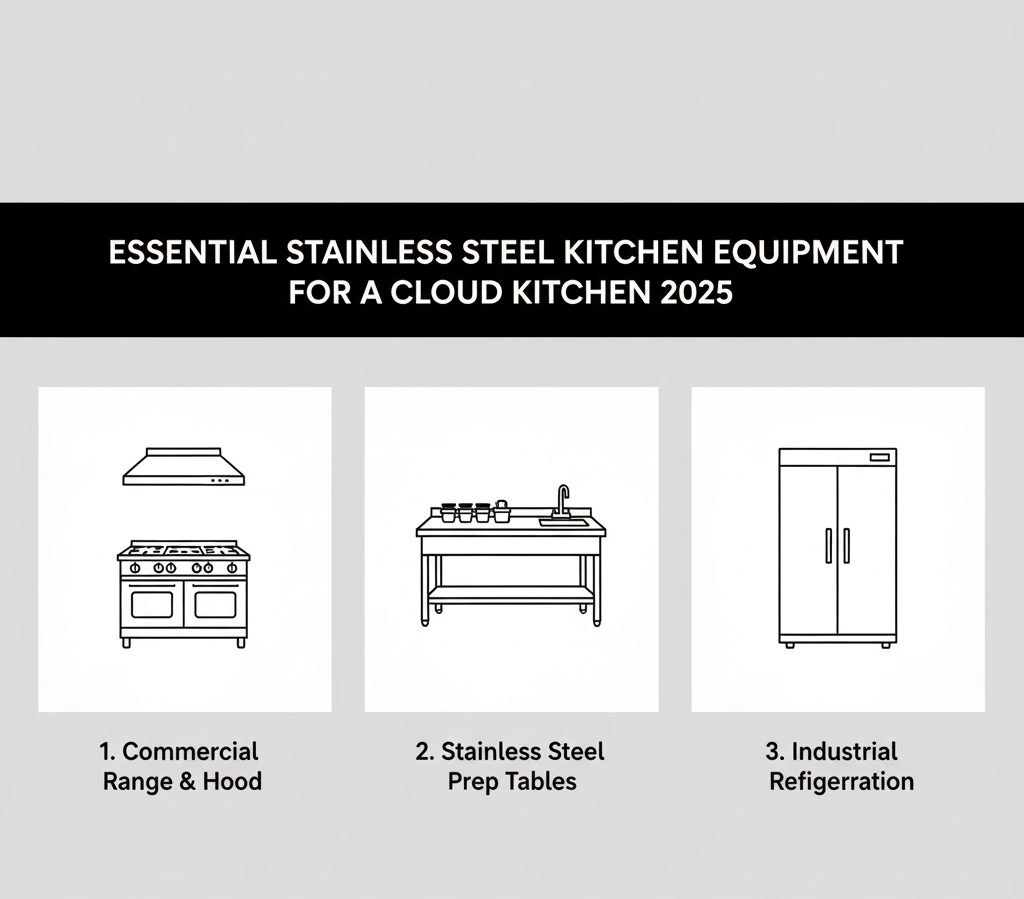
Efficient equipment is the heart of a cloud kitchen. Essential items include:
- Commercial refrigerators and freezers
- Cooking ranges and ovens
- Exhaust systems and ventilation
- Storage racks and prep tables
- Packaging and labeling systems
Pro Tip: Partner with reliable suppliers like Muskan Equipments Co., known for providing high-quality commercial kitchen equipment that enhances performance, hygiene, and energy efficiency.
Step 5: Hire Skilled Staff
You’ll need chefs, kitchen assistants, and a small management team to handle orders and inventory. Since the focus is delivery, prioritize speed, consistency, and hygiene
Step 6: Choose Online Platforms and POS Systems
Register your kitchen with food delivery apps like Zomato, Swiggy, or MagicPin. Also, invest in a POS system that helps you manage online orders, inventory, and analytics from one dashboard.
Step 7: Build a Strong Brand Identity
Your logo, packaging, and online presence matter more than ever. Design eco-friendly, branded packaging that enhances customer experience. Build a professional website, engage on social media, and encourage customer reviews.
Step 8: Focus on Digital Marketing
Cloud kitchens rely heavily on online visibility. Strategies include:
- Running Instagram and Facebook ads
- Partnering with food influencers
- Offering first-order discounts or loyalty programs
- Using SEO and Google My Business to drive organic traffic
Cost of Setting Up a Cloud Kitchen in 2025
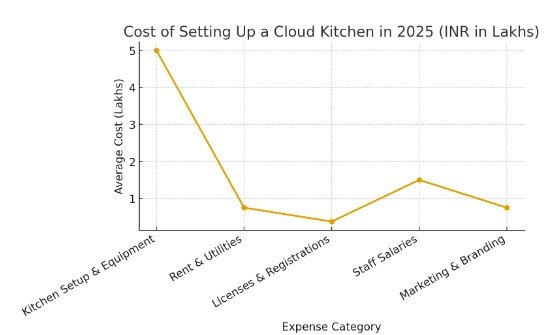
| Expense Category | Estimated Cost (INR) |
|---|
| Kitchen Setup & Equipment | ₹3 – ₹6 lakhs |
| Rent & Utilities | ₹40,000 – ₹1 lakh/month |
| Licenses & Registrations | ₹25,000 – ₹50,000 |
| Staff Salaries | ₹1 – ₹2 lakhs/month |
| Marketing & Branding | ₹50,000 – ₹1 lakh |
| Total Initial Investment | ₹6 – ₹10 lakhs |
These numbers vary depending on your city, kitchen size, and menu.
Challenges to Consider
- High competition in delivery platforms
- Maintaining consistent food quality during transit
- Managing third-party delivery costs and commissions
- Data-driven decision-making for menu optimization
Final Thoughts
Setting up a cloud kitchen in 2025 is an exciting opportunity to enter the booming digital food market. With the right concept, equipment, and marketing strategy, you can build a profitable, scalable business that thrives in the era of food delivery.
For reliable, energy-efficient, and durable commercial kitchen equipment, Muskan Equipments Co. is your trusted partner—helping you create a cloud kitchen that’s ready for the future.